
Crew
Advance your skills, gain certifications, and unlock new opportunities. Kelp offers flexible and affordable online training for yacht crew at all levels.
In essence, containment is the process of protecting the customer when a problem happens. A customer could be referred to as an internal or external customer, essentially, anyone who is responsible for the next process on the production line.
This problem can have many variations, but as an example, a product might require a recall, thus a corrective action, which is an action that’s an alternate to what’s in place. A corrective action must be taken to overcome this situation; often you’ll need quick ideas, therefore a brainstorming session will be useful.
After that, you must rank these alternative actions in terms of rank with respect to: risk, cost, timescale, advantages, disadvantages, and skill requirements.
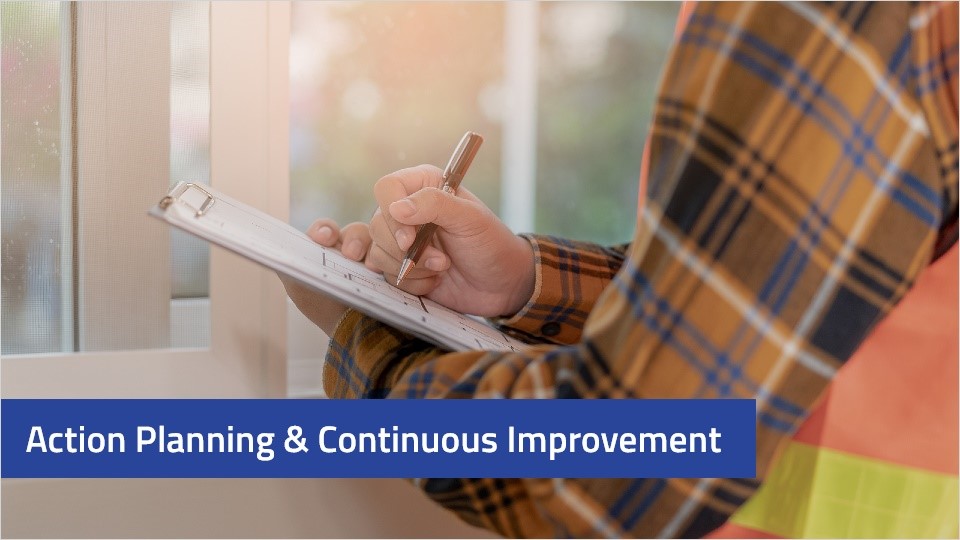
A corrective plan at times can be a warning, and requires you to make long-term corrective actions, this stage is referred to as the “Countermeasure stage.” This stage will require root cause analysis, gathering data and measurements towards what might end up as a series of corrective activities.
There are three stages to find a counter measure. Step one is, to produce a strategy, step two is, to produce a set of tactics, and lastly, step three is, to produce an operational action plan.
After producing an action plan, it’ll be handy to create a new process flow chart, as this will give a new breakdown of the value added activities (VAA) and non-value added activities (NVAA). Moreover, this new process flow chart can be used to compare whether the objective has been achieved or still requires further work. This is essentially a looping PDCA cycle.
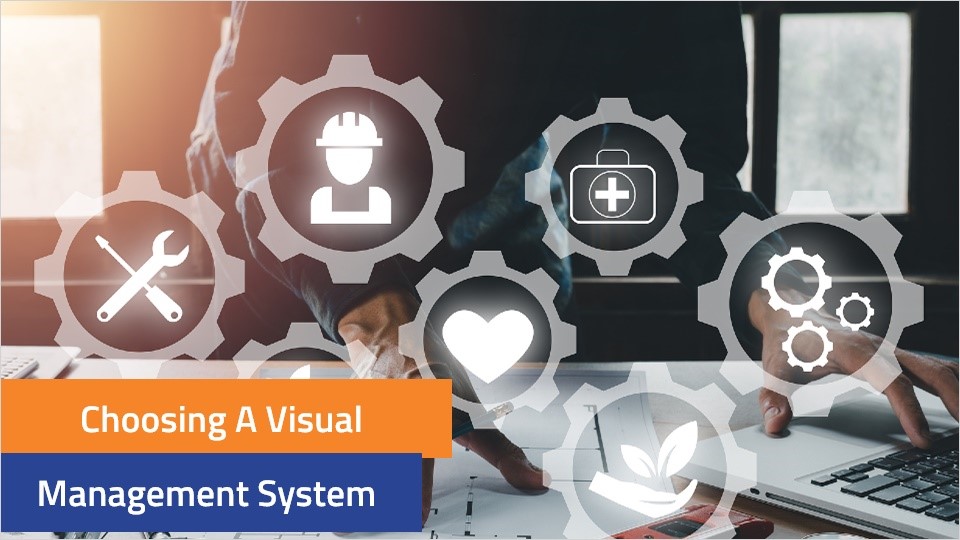
Other than VAA or NVAA, a visual management system can also allow you to visualise the cycle time or the line balance situation.
Once you’ve achieved your countermeasure, it’s crucial that you sustain it, and prevent it from happening again, this will involve a new standard operating procedure, and training the relevant individuals. This will maintain continuous improvement or in other words, Kaizen. Using key performance indicators (KPI) will help visually share the results of improvements.
It’s always important to show team members appreciation, recognition, and reward when their suggested idea is implemented, and if an idea is not taken on, you must provide a detailed explanation as to why their suggestion won’t be beneficial.
Learning Objectives:
•Identify what containment is and what the process entails
•Examine the three stages of finding a countermeasure
•Assess what measures must be taken to identify whether the new improvements have achieved the objectives and if they’re sustainable
Online Course

Online Course

Online Course

Online Course

Curriculum

Curriculum

Online Course

Online Course

Online Course
Online Course
Online Course

Online Course

Online Course
Online Course
Online Course
Curriculum

Online Course

Online Course

Online Course

Online Course

Online Course

Online Course

Online Course

Online Course
.png)
Online Course
Online Course

Online Course
Online Course

Online Course

Online Course

Online Course
Online Course

Online Course

Online Course

Online Course

Online Course
Online Course
Online Course
Online Course
Online Course
Online Course
Online Course

Online Course

Online Course

Online Course

Online Course
Online Course

Online Course

Online Course

Online Course

Online Course

Online Course

Online Course
 Plans.png)
Online Course

Online Course

Online Course

Online Course
Online Course

Online Course

Online Course
Online Course

Online Course

Online Course

Online Course

Online Course
Online Course

Online Course

Online Course
Online Course
Online Course
Online Course
Online Course
Online Course

Online Course

Online Course

Online Course

Online Course

Online Course

Online Course
Online Course