

Crew
Advance your skills, gain certifications, and unlock new opportunities. Kelp offers flexible and affordable online training for yacht crew at all levels.
Before starting any operation, it’s key that you refer to the job instructions, it’ll have all the standard operating procedures (SOP) that you require to carry out the process; some information might be left to your experience to interpret, and as always, if there is anything you’re not sure about, always seek assistance, don’t try and guess what needs to be done, as that may lead to problems and mistakes.
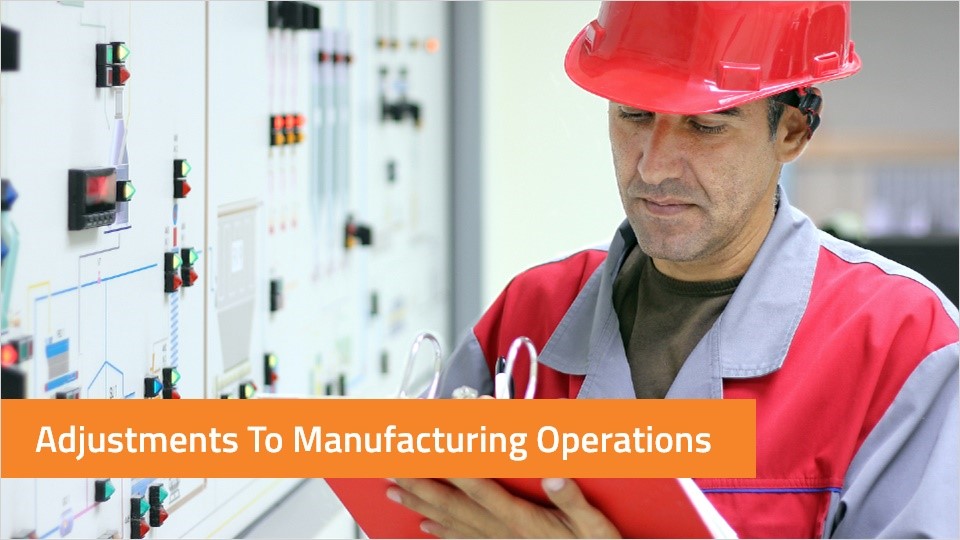
In a manufacturing environment, there is a constant requirement of monitoring, and that requires data. Simply, data enables manufacturers to learn how they can carry out operations and tasks better. Data provides the opportunity to be able to make comparisons between the actual data output with the planned output; examples of these data include output data, quality data, and productivity data.
Data is used to monitor and control operations in a manufacturing process, this leads to allowing adjustments to be made to make aspects more efficient. Adjustments can be made to things like sequencing, scheduling, machine settings, or labour allocations. Any data collected must be accurate and legible, any adjustments made must be logged, and permanent counter measures must be put in place, if applicable.
Any manufacturing activity has some sort of waste, this can be in the form of time, materials, and movement. It’s important that you think of where waste happens and remove it where you can, providing that it doesn’t create more waste.
Communication is key in every part of this. Recognising the process from one operation to another and how they affect each other is essential to limit holdup and lack of production. It’s important that when passing information, it’s done via a standard operating procedure, and not from memory, this will cause problems.
Any problems that occur must be reported immediately, in case any containment action is required, moreover, problems should be tackled in a way that they do not reoccur. In a manufacturing operation, ultimately, what matters is quality. Quality is about meeting and overcoming the minimum standard required to satisfy the customer needs, and there are two main approaches achieving quality: quality control and quality assurance. Quality control is where products are checked by inspectors to see if they meet the standard set out to achieve, and quality assurance is where quality is built into the production process. Total quality management (TQM) is when managers convince employees to take responsibility for how products are made. Measuring quality and recording the outcome is how TQM is maintained.
Learning Objectives:
•Identify and assess how and when job instructions and standard operating procedures must be used
•Examine why data is so important and how it ties in with adjustments to a process
•Distinguish why quality is so important, and compare and contrast the two branches of quality

Online Course

Online Course

Online Course

Online Course

Curriculum

Curriculum

Online Course

Online Course

Online Course
Online Course

Online Course
Online Course

Online Course
Online Course
Online Course

Curriculum

Online Course

Online Course

Online Course

Online Course

Online Course

Online Course

Online Course

Online Course
.png)
Online Course

Online Course

Online Course

Online Course

Online Course

Online Course

Online Course

Online Course

Online Course

Online Course

Online Course

Online Course
Online Course
Online Course
Online Course
Online Course
Online Course
Online Course

Online Course

Online Course

Online Course

Online Course

Online Course

Online Course

Online Course

Online Course

Online Course

Online Course

Online Course
 Plans.png)
Online Course

Online Course

Online Course

Online Course

Online Course

Online Course

Online Course

Online Course

Online Course

Online Course

Online Course

Online Course
Online Course

Online Course

Online Course
Online Course
Online Course
Online Course
Online Course

Online Course

Online Course

Online Course

Online Course

Online Course

Online Course

Online Course

Online Course

Online Course